- My Role
Lead UX/UI designer, user research, end-to-end flows, usability test, CRO
- My Crew
1 Frontend engineer, 1 Project manager, 1 Content specialist, 1 SEO specialist
- Timeline
First release: September 2025
- Platform
Fully responsive website
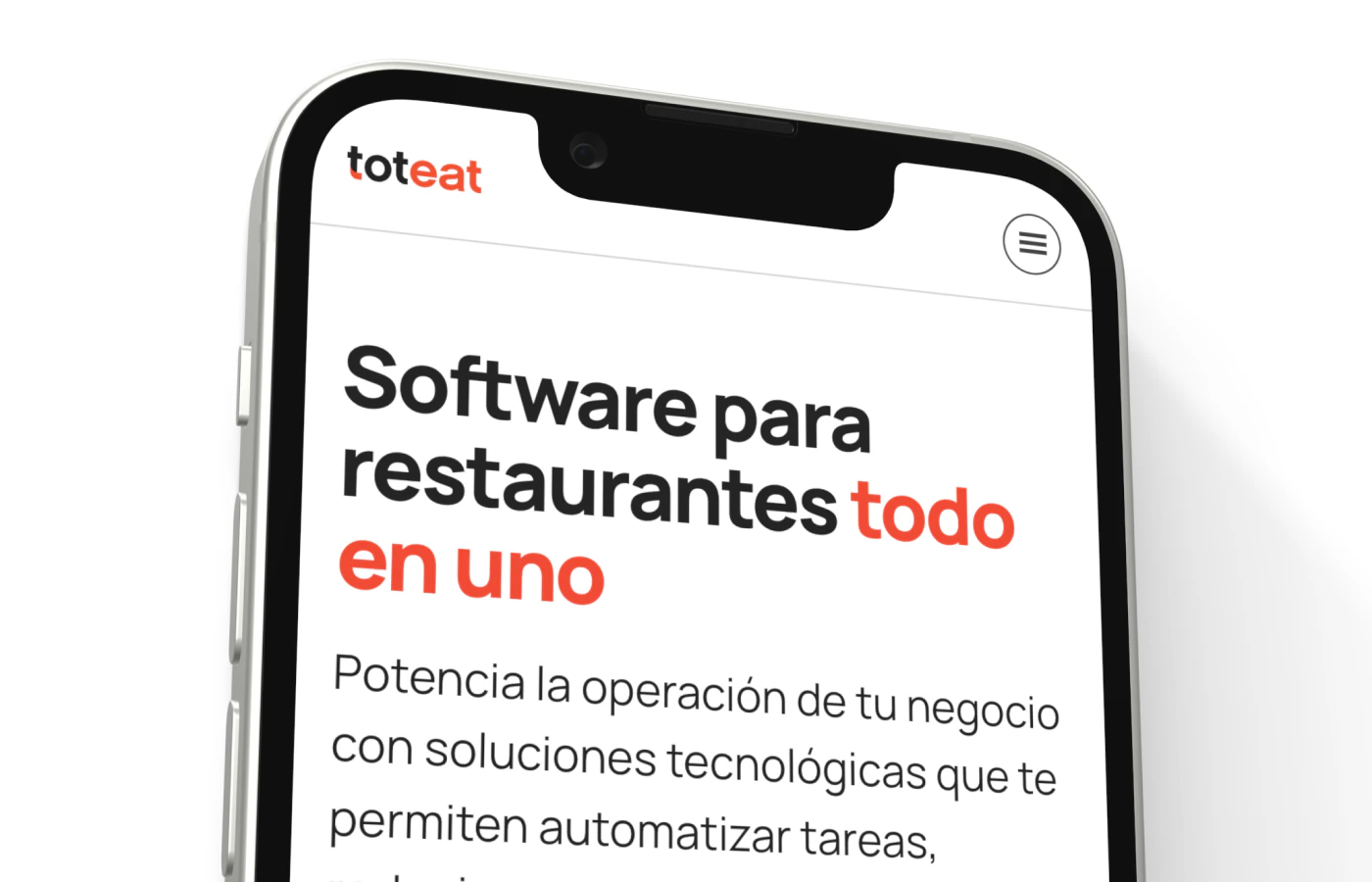
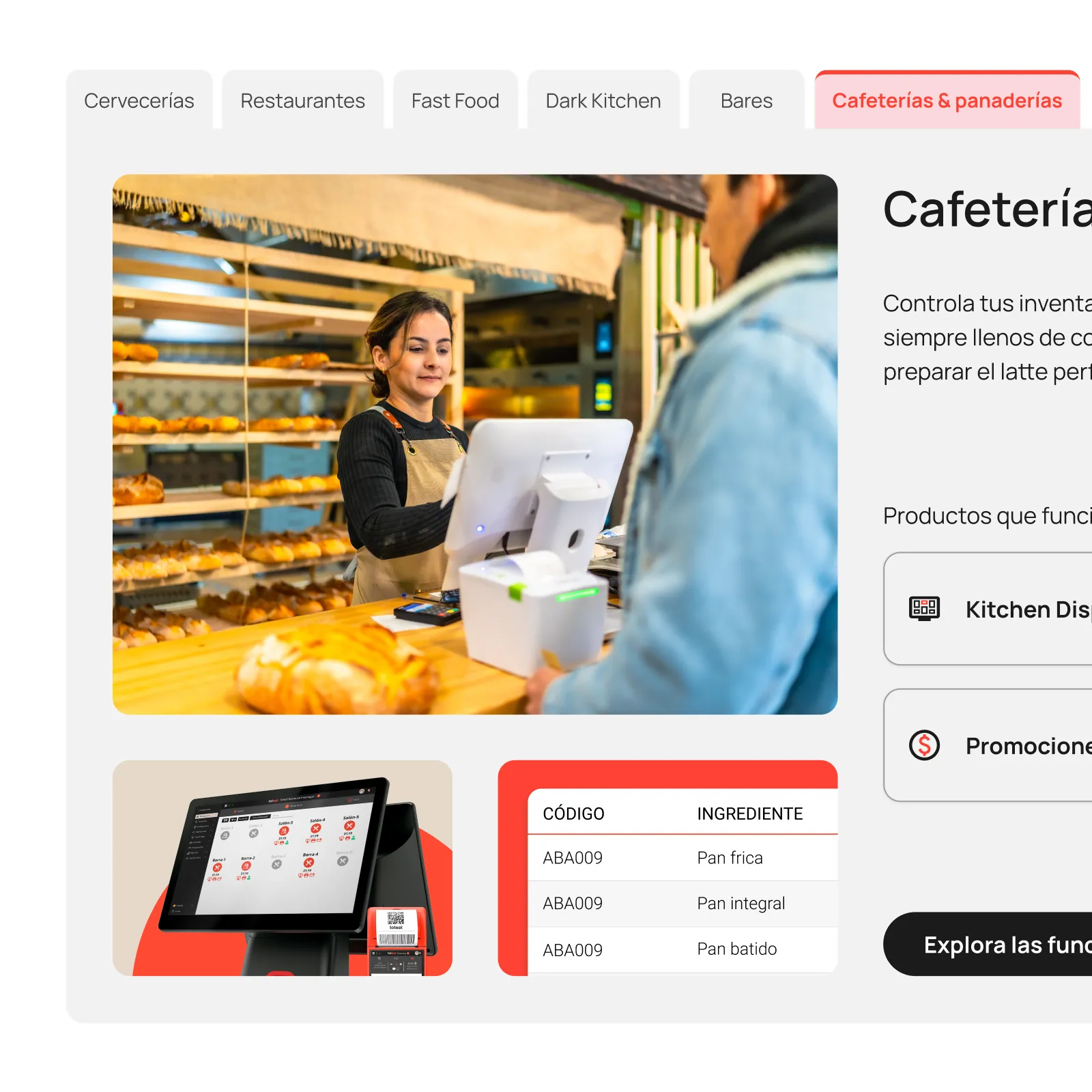
Corporate site UX/UI design, launch and growth optimization on the Progress Sitefinity CMS platform for Toteat, a restaurant SaaS based in Chile. It started with a much smaller in-house Vue 3 scope and grew into a core pillar of Toteat’s 2025–2026 marketing strategy, focused on organic positioning across Chile, Mexico, Peru, Colombia, and Argentina. I owned UX/UI, Analytics and CRO for this project, working hands-on with the dev, product and marketing teams.
The Objective
Drive lead organic acquisition and quality, unify measurement and enable continuous CRO from the site. Establishing a solid baseline to activate Toteat’s organic traffic and acquisition at long term across all markets.
What I learned
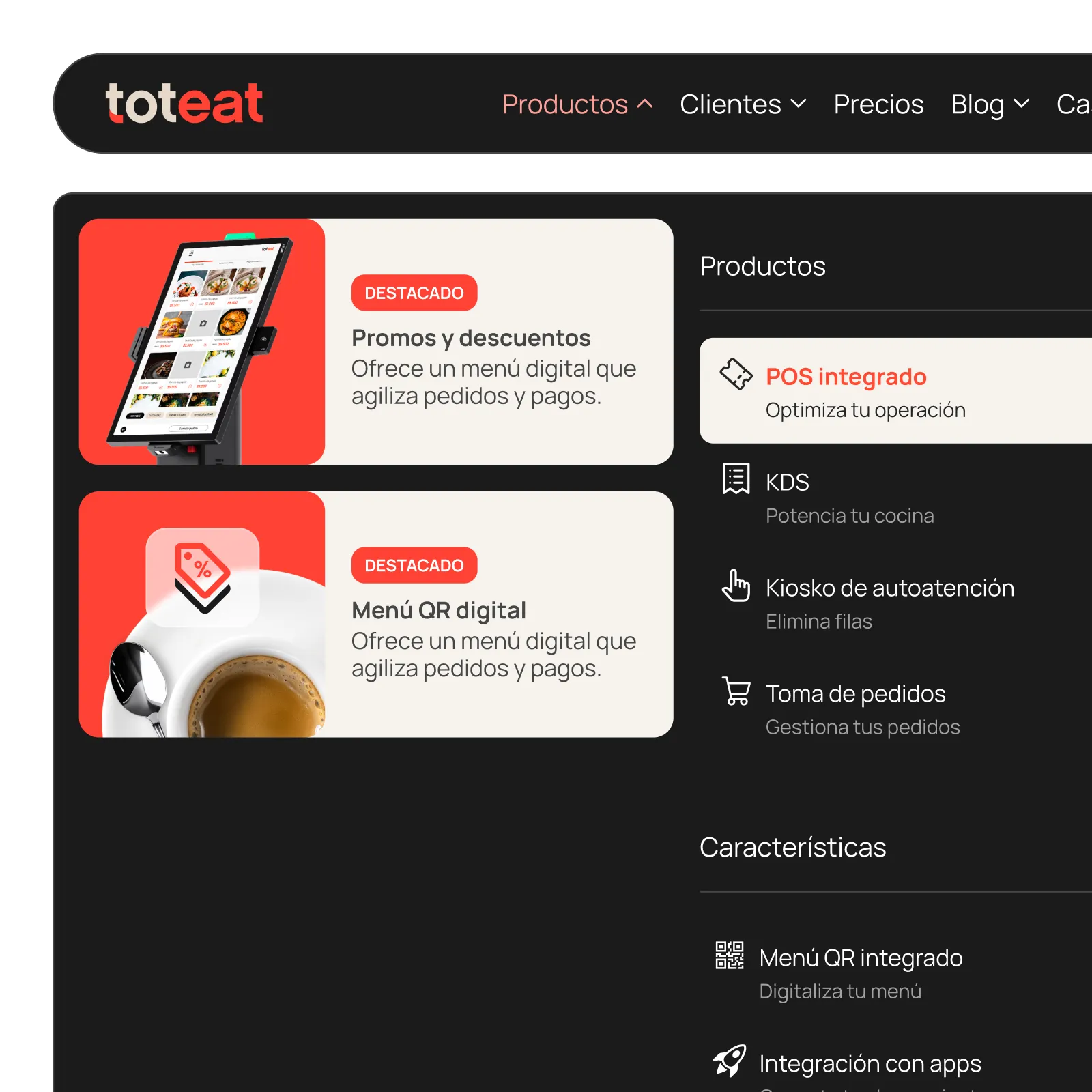
The first challenge was shipping something scalable fast. I opened Figma, audited Toteat’s existing design system and site architecture, gathered feedback from key stakeholders, mapped the customer journey, documented user pain points, and iterated. The scope expanded into a full ecosystem with dynamic content: Pricing, Clients, Success Stories, Blog, Landing Pages, Partnerships, Personalization, and much more.
It was a beautiful challenge, and with the right team we delivered on time. Kudos to Mauricio, Aron, Laura, the LFI team and the Cacerola Team. ❤️
The Challenges
- No prior SEO authority or initiatives
- CMS migration and reindexing volatility
- Fragmented data tracking
- Off-domain core pages and unindexed
- Spam/fake leads and duplicate submissions across all funnels
- SEO debt: 404s, metadata, schema, country inconsistency
- Tight timeline
- Lack of prior documentation
Approach
- UX/UI:
Design of reusable Sitefinity components within a complex CMS enviroment, improved content and input validation, segmented end of funnel pages and content customization. - Technical SEO:
New URL structure, Redirects, 404 cleanup, robots/sitemaps, dynamic metadata and schema; fixes in Pricing and Blog. - Data & Tracking:
GA4 key events, submission de-duplication, UTM tracking, PostHog dashboards. - Information Architecture & Content:
Migrated benefits, referrals, partnerships sections; brought the “Ayuda Toteat” pillar onto the main domain; cleaned heading taxonomy. - Follow ups
Monthly site projects and updates with each country manager.
Results
- Organic trend up after go-live and early SEO sweeps
- ~90% fewer 404s and consistent metadata
- Faster, clearer forms with higher conversion rates (from <1% to 4-5%)
- A/B testing pipeline unblocked for fast iteration
- 2× organic visits after the third month live
CRO examples
- Submit de-dupe + progressive button states (“Sending”/“Sent”) on all forms
- Phone validation + country aware microcopy
- Value-based “thank you” pages to drive next steps according to lead segmentation.
- Quick H1/CTA tests and social trust components
- PostHog funnels to surface friction and prioritize fixes